CATTI-题库-真题-模拟-课程-直播
 驻英使馆
驻英使馆
 2026-08-07

 5次
5次
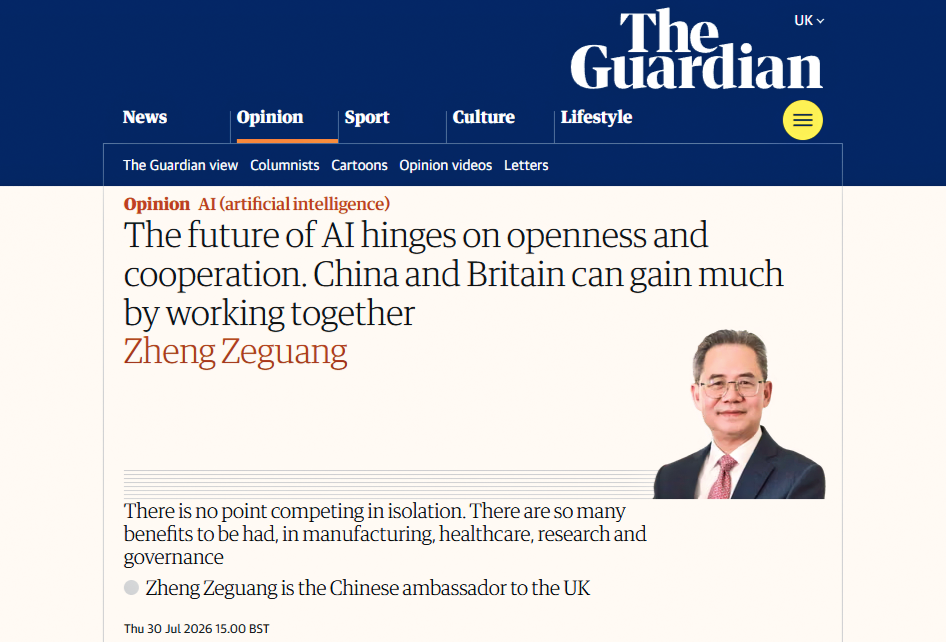
郑泽光大使在英国《卫报》发表署名文章:人工智能的未来取决于开放合作,中英合作互利共赢
Ambassador Zheng Zeguang Contributes an Article to The Guardian:“The future of AI Hinges on Openness and Cooperation. China and Britain Can Gain Much by Working Together”
2026年7月30日,英国《卫报》刊发中国驻英国大使郑泽光题为《人工智能的未来取决于开放合作,中英合作互利共赢》的署名文章。文章全文如下:
On 30 July 2026, an article by Chinese Ambassador to the UK Zheng Zeguang titled "The future of AI hinges on openness and cooperation. China and Britain can gain much by working together" was published in the British newspaperThe Guardian.
The full text of the article is as follows:
人工智能的未来取决于开放合作,中英合作互利共赢
The future of AI hinges on openness and cooperation. China and Britain can gain much by working together
人工智能是当今最具影响力的技术之一。和之前的蒸汽机、电力和互联网一样,人工智能将深刻改变我们的工作、生活和交流方式。
Artificial intelligence is widely regarded as one of the defining technologies of our time. Like the steam engine, the harnessing of electricity and the internet before it, it has the potential to transform how we work, live and interact.
每一次技术革命不仅带来机遇,也伴随挑战。随着人工智能系统越来越强大,人们自然要问:如何确保人工智能安全可靠、始终受人类控制?如何完善人工智能治理?如何让人工智能发展惠及更多人?
But every technological revolution brings challenges as well as opportunities. As AI systems become more capable, people are asking legitimate questions. How can AI remain safe, accountable and under human control? How should its development be governed? How can its benefits be shared more widely?
近日在上海举行的2026世界人工智能大会重点关注了这些问题。来自100多个国家和国际组织的代表齐聚一堂,共同探讨如何推动人工智能更好服务人类,构建更加包容、有效的全球人工智能治理体系。我很高兴看到英国也派代表团参加了此次大会。
These questions were at the heart of the 2026 World AI Conference, held last week in Shanghai. Representatives from more than 100 countries and international organisations gathered to discuss how AI could better serve humanity, and how a more inclusive and effective global governance framework could be built. I am glad the UK also sent a delegation to the conference.
习近平主席在大会开幕式上发表重要讲话,指出各国应该坚持开放共赢、驱动创新发展,强化风险意识、确保安全可控,鼓励包容并蓄、促进文明互鉴,倡导和衷共济、完善全球治理,携手构建公正合理的全球人工智能治理体系。
China's President Xi Jinping delivered an important address calling on all countries to "boost innovation-driven development", in a spirit of openness and mutual benefit, to strengthen risk-awareness and ensure that AI is secure and controllable. We must, he said, encourage inclusiveness and promote mutual learning between civilisations. He also stressed the importance of improving global AI governance together.
人工智能发展日新月异。为进一步支持全球人工智能发展,中国宣布未来5年将面向发展中国家提供5000个专题研修培训名额;面向东盟、阿盟、非盟、拉共体、上合组织、金砖国家建设国际人工智能应用合作中心;推动气象智能预警方案“妈祖”在30个国家落地。
Things are moving quickly. To further support global AI development, China has announced that in the next five years it will provide developing countries with 5,000 opportunities in AI training and seminar programmes. We will also develop international AI-application cooperation centres with the Association of Southeast Asian Nations, the League of Arab States, the African Union, the Community of Latin American and Caribbean States, the Shanghai Cooperation Organization, and our fellow BRICS countries. Thirty nations will also be able to use the AI-powered, early-warning weather system, Mazu.
要让人工智能成为值得人类信赖的工具,必须重视对于人工智能数据安全、隐私保护和负责任使用等方面的合理关切。这些挑战超越国界,需要国际社会共同努力,特别是加强合作制定通用标准、开展务实治理。同时,不应泛化国家安全概念,限制正常技术交流、割裂全球创新体系。
To ensure that AI is a trustworthy tool for humanity, legitimate concerns over data security, privacy protection and responsible use must be taken seriously. These challenges transcend national borders. They obviously require international collaboration, especially in areas such as developing common standards and practical governance. At the same time, security considerations should not become a blanket justification for restricting normal technological cooperation or fragmenting global innovation.
中国的人工智能发展理念在产业实践中得到充分体现。在“人工智能+”行动推动下,人工智能加速融入制造、医疗、物流、能源和消费服务等领域,助力构建全球最具活力的人工智能生态之一。2025年,中国人工智能核心产业规模已突破1.2万亿元人民币(约1300亿英镑)。一大批人工智能企业正迅猛崛起。
China's own experience reflects this approach. Through the AI Plus Initiative, AI is being integrated into manufacturing, healthcare, logistics, energy and consumer services, helping to build one of the world's most dynamic AI ecosystems. In 2025, China's core AI industry exceeded 1.2tn yuan (about £130bn) and a large number of AI companies are growing rapidly.
中国人工智能发展的另一个显著特点,是重视开源和开放权重模型。通义千问、深度求索、Kimi等模型取得成功,证明可以用低成本开发先进人工智能技术,让更多的开发者和用户群体受益。通过降低创新门槛,更多国家、科研人员和中小企业得以参与人工智能革命,不被排除在外。
Another notable feature of China's AI development is its emphasis on open-source and open-weight models. The success of models such as Qwen, DeepSeek and Kimi demonstrates that advanced AI capabilities can be developed at lower cost and made accessible to a much wider community of developers and users. Lowering the barriers to innovation allows more countries, researchers and smaller enterprises to participate in the AI revolution instead of being left behind.
创新不是某一个国家的专属。各国在人工智能发展中拥有各自优势。人工智能能否持续进步,取决于各方优势互补,而不是彼此孤立竞争。
It is important to say that no country has a monopoly on innovation. Different nations bring different strengths to AI development, and lasting progress will depend on how well those strengths complement one another rather than compete in isolation.
这正是中英两国可以携手合作、共同受益的领域。英国在前沿科研、生命科学、金融服务和人工智能创新方面有领先优势。中国则在先进制造、工程技术、大规模产业应用方面具有较大优势,拥有全球最大的人工智能应用市场之一。双方优势高度互补。
This is where China and the UK have much to gain from working together. The UK has a competitive edge in frontier research, life sciences, financial services and AI innovation. China has well-recognised strengths in advanced manufacturing, engineering and large-scale industrial deployment, plus one of the world's largest markets for AI applications. These advantages are highly complementary.
在医疗领域,将英国在生物医学研究方面的优势与中国大规模应用人工智能的能力相结合,可以加快药物研发、提升医学影像水平、改善医疗服务。在制造业领域,将英国创新能力与中国产业实力相结合,可以推动更加智能、绿色、高效的生产方式加快落地。双方还可以开展联合研究,为制定人工智能安全测试和评估领域的国际标准贡献力量,在促进创新的同时增强公众对人工智能的信任。这样的合作不仅有利于中英两国,也能创造具有全球价值的解决方案。
In healthcare, combining British strengths in biomedical research with China's capacity to deploy AI at scale can accelerate drug discovery, improve medical imaging and enhance healthcare delivery. In manufacturing, pairing British innovation with China's industrial capabilities can speed up the adoption of smarter, cleaner and more efficient production. Joint research can also contribute to internationally applicable standards for AI safety, testing and evaluation, supporting innovation while strengthening public trust. Such cooperation would not only benefit our two countries but also generate solutions with wider global value.
中英两国的政策制定者、科研人员和企业家之间应该加强交流,推动对话转化为联合研究、商业合作以及人工智能治理领域的深入协作。对于中英两国以及全世界而言,合作不仅是一个美好愿望,更是确保人工智能普惠发展的正确选择。
Policymakers, researchers and business leaders from China and the UK need to increase exchanges and translate dialogue into joint research, commercial partnerships and closer cooperation on AI governance.
For China, for Britain and for the wider world, cooperation is not simply desirable. It is the right way forward to ensure that AI develops in a way that benefits us all.

 点赞(0)
点赞(0)

 收藏
收藏
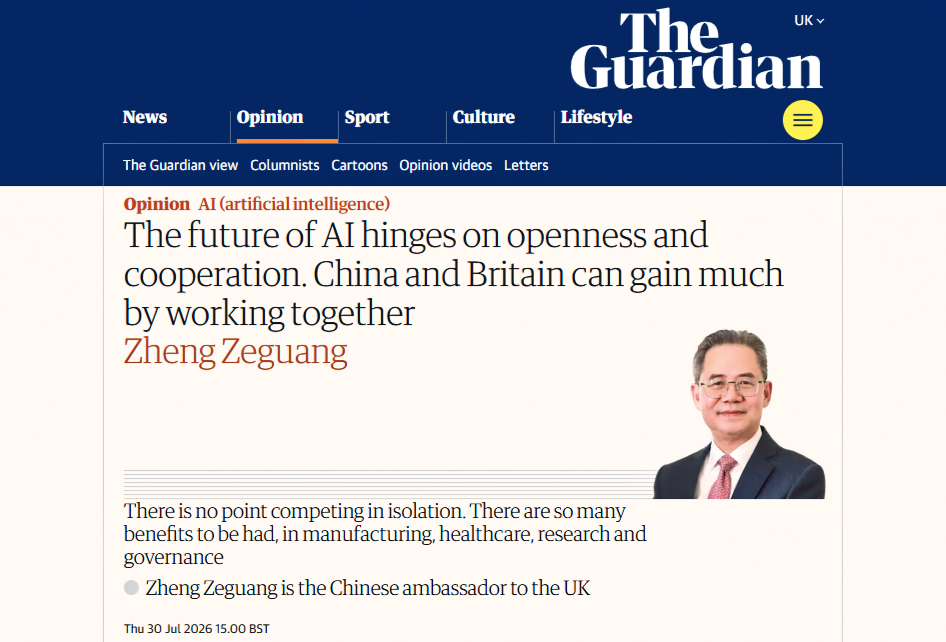
On 30 July 2026, an article by Chinese Ambassador to the UK Zheng Zeguang titled "The future of AI hinges on openness and cooperation. China and Britain can gain much by working together" was published in the British newspaperThe Guardian.
驻英使馆 2026-08-07 10:12:15
收藏资讯
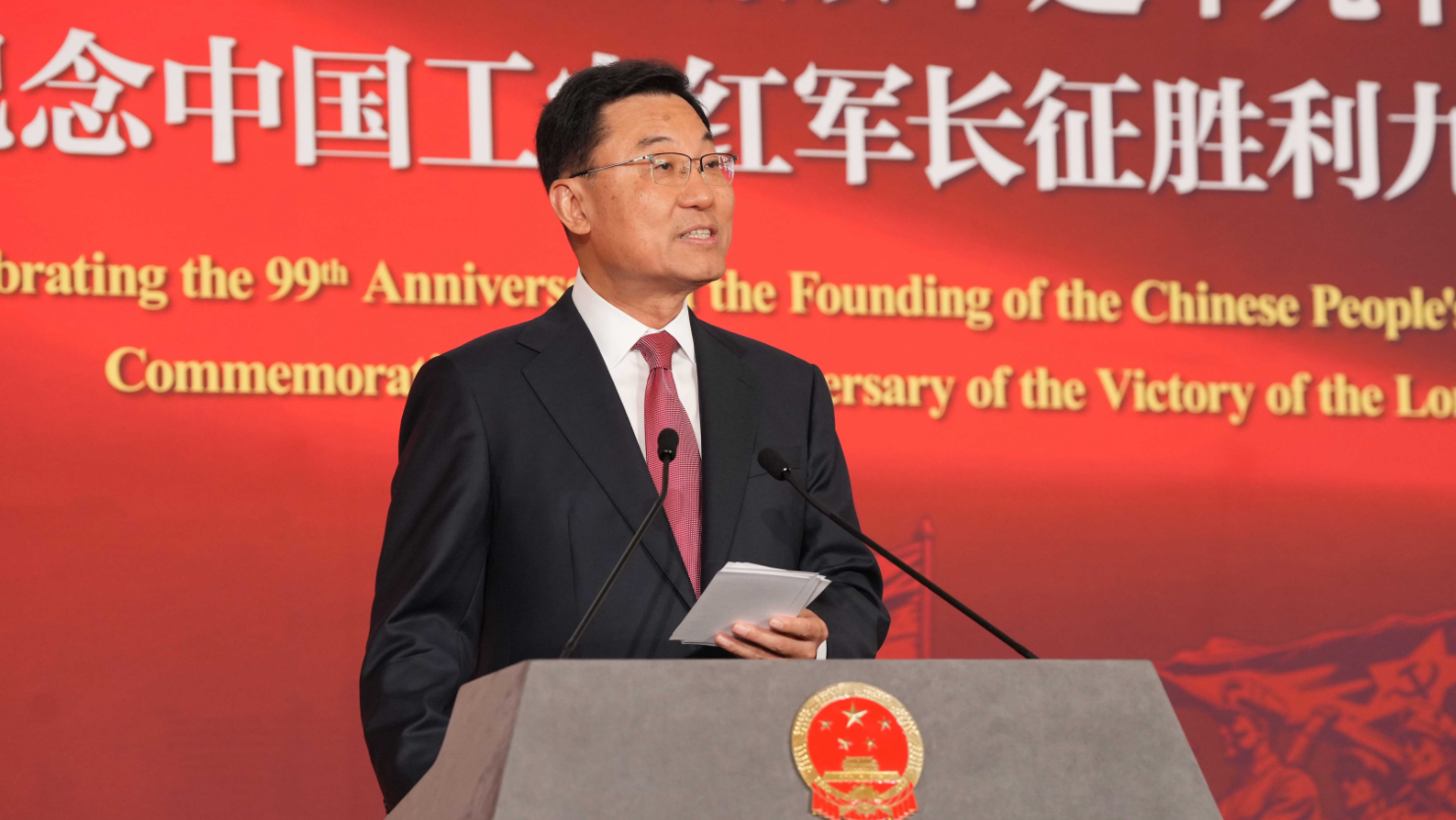
很高兴和大家齐聚一堂,共同庆祝中国人民解放军建军99周年。我谨向中国人民的子弟兵致以节日问候,向长期关心中国国防事业和中美关系发展的各界人士表示衷心感谢!
驻美使馆 2026-08-04 09:49:36
收藏资讯
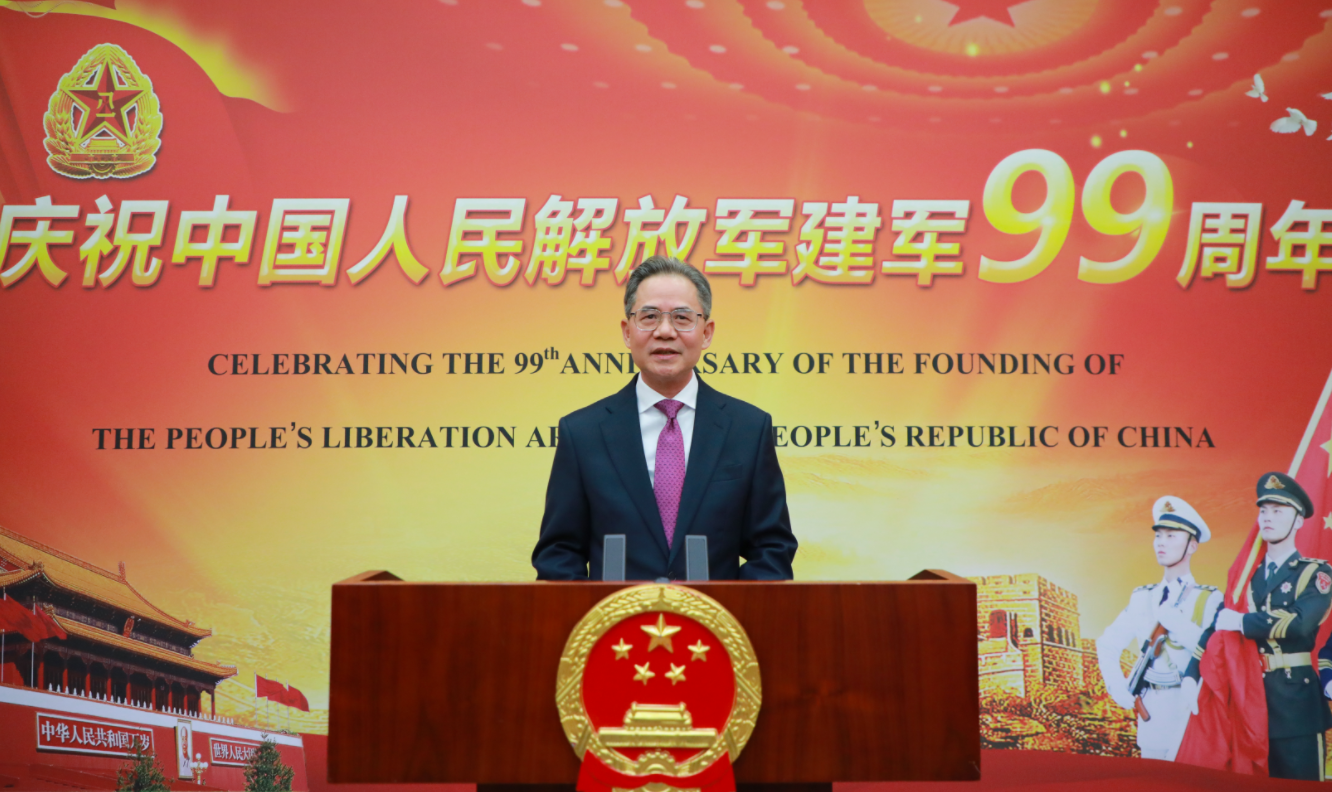
感谢各位出席今晚的招待会,与我们共同庆祝中国人民解放军建军99周年。我谨代表中国驻英国大使馆,对各位嘉宾的到来表示热烈欢迎!借此机会,我要感谢各位长期以来为推动中英关系以及中国同各位所代表国家关系发展作出的努力。
驻英使馆 2026-08-04 09:48:07
收藏资讯
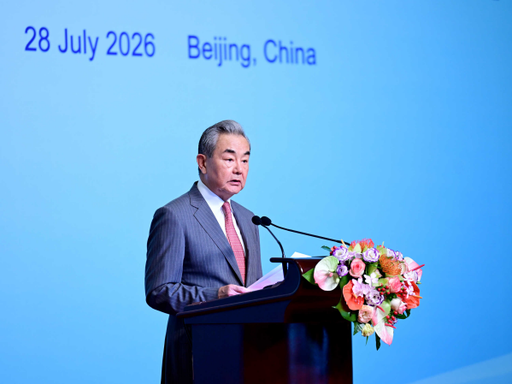
2026 年是全球发展倡议(GDI)提出 5 周年,7 月 28 日王毅外长在北京高级别会议发表重磅双语致辞,外交部官方标准译文,是本年度 CATTI 最核心押题素材。
外交部 2026-08-03 10:52:43
收藏资讯

微信公众号

微信小程序
 登录
登录