CATTI-题库-真题-模拟-课程-直播
 天之聪网校整理
 2022-06-20

 2041次
2041次

2022年6月CATTI笔译一级真题
Section 1: English-Chinese Translation (50 points)
Translate the following passage into Chinese.
From Washington to Frankfurt, what began months ago as a murmur of concern has morphed into a chorus as officials ask if a risk-taking binge across multiple asset markets might presage a destabilizing rout that could derail the global recovery.
Just last week, the European Central Bank and the Bank of Canada cited mounting threats, cognizant of the retrenchment that ensued during the 2008 financial crisis. Meanwhile Bitcoin’s dramatic swings after a warning about cryptocurrencies from the People’s Bank of China showcased how sensitive some markets have become.
Pessimists at global monetary institutions can find bubbles almost anywhere they look, from equities to real estate, while officials such as Federal Reserve chief Jerome Powell argue any threats remain contained.
Central banks bear some responsibility for financial-market fervor after huge doses of stimulus and liquidity injections to keep economies afloat. The resulting buoyancy is at least partly a euphoria effect, applauding a snap back in growth whose scope can only be guessed at — with eventual repercussions judged to range from a benign boom to an inflationary spiral.
“Where we do see more exuberance is around growth expectations,” Max Kettner, a strategist at HSBC Holdings Plc, told Bloomberg Television. “Particularly in the U.S. they’ve been raised to an enormous degree. So that is, I think, the exuberance.”
Kettner’s mention of “exuberance” followed the European Central Bank’s use of similar words on Wednesday, echoing former Fed Chairman Alan Greenspan’s 1996 observation of “irrational exuberance” before the dotcom bubble.
The euro-zone institution observed the threat of economic spillovers from, for example, a U.S. equity-market correction. Bank of Canada officials voiced similar concerns a day later, and highlighted the housing market as expectations of continuing price increases fuel purchases.
Three weeks earlier, a Fed policy meeting veered into a debate on stability, where participants observed “elevated” risk appetite and discussed dangers posed by hedge fund activity. In a subsequent report, they warned of “vulnerabilities” and “stretched valuations,” exacerbated by high corporate debt.
Meanwhile Bank of England Governor Andrew Bailey recently wondered aloud if speculation in stocks and Bitcoin might themselves be a “warning sign.” And a Norwegian official said that cryptocurrency volatility could threaten lenders if their exposures keep rising.
Some senior central bankers are trying to be sanguine despite flashing warning lights. After the Fed decision in April, Powell insisted that “the overall financial stability picture is mixed but on balance, it’s manageable.”
The difficulty for central banks is in managing the consequences for asset prices of their monetary policies, a challenge that has bedeviled them since the 2008 calamity. Periodically, that makes institutions such as the Fed the target of criticism.
The alternative officials face is to dare to wind down stimulus, taking on the risk of choking an economic recovery with a corresponding cost to livelihoods.
Iceland took that plunge last week, delivering the first policy tightening in Western Europe with an interest-rate increase to contain inflation and a rampant housing market.
The larger euro area, whose constituent regions vary from some of the world’s most prosperous to examples of perennial malaise, can’t be so nimble. That’s why the ECB recommends “more targeted” fiscal support for companies while avoiding stimulus withdrawal.
Similarly, the Fed cited use of macroprudential tools as important to allow monetary policy to take its course. JPMorgan economists wrote this month that they anticipate Australia’s banking regulator will “formalize” debt and loan-to-income restrictions soon.
However central banks and financial regulators respond to ebullience, they know the stakes are as high as ever, with the need to cement a rebound from a severe crisis in a world which will struggle to tolerate another one.
At least officials can take comfort in recognizing a more familiar pre-pandemic environment: The last time their worries about risk were so synchronized was in November 2019, just weeks before the coronavirus began to cripple the global economy.
Section 2: Chinese-English Translation (50 points)
Translate the following passage into English.
2021年11月19日召开了“汇聚向上向善力量,携手建设网络文明”为主题的 中国网络文明大会。大会宣介理念、交流经验、展示成果。
中外嘉宾围绕“讲好中国故事助力网络文明”主题,集中探讨新形势下讲好中国故事的方略、重点和路径,着力提高中国国际传播影响力、中华文化感召力、 中国形象亲和力、中国话语说服力、国际舆论引导力。
要通过互联网传播中华文明,促进中外文明交流互鉴,助推构建网络空间命运共同体。应推动文明互鉴,要避免误读误判;重建“文明叙事”,沟通对立观 念;充分借势赋能,创新国际传播。要将中国故事以“跨文化”的方式“再翻译”, 一个好方法就是文明比较,要敢于并善于正面回答最复杂最尖锐的问题。
一个故事胜过一打道理,要注重把“陈情”和“说理”相结合,找准国外网 民受众的兴趣点、兴奋点。突出打好“人类进步”牌、“和平发展”牌、“公平 正义”牌,运用各种真实感人的事例,触动各国人民共鸣共情。

 点赞(0)
点赞(0)

 收藏
收藏

上海合作组织、上海精神、全球治理、一带一路、新型国际关系,全部是历年CATTI 实务、综合能力高频考点,外交部官方双语致辞是最标准、最贴合阅卷评分标准的精读素材。
外交部 2026-07-23 10:40:51
收藏资讯
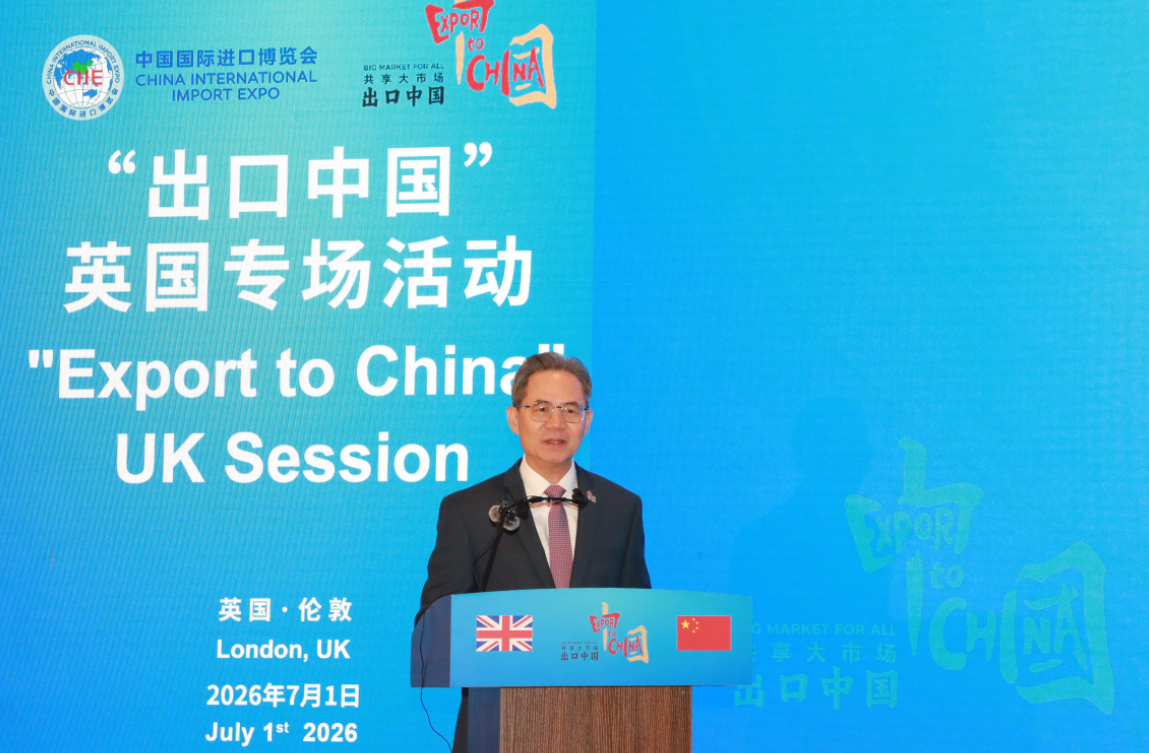
很高兴出席“出口中国”英国专场活动。首先,我谨代表中国驻英国大使馆,对王文涛部长一行访问英国表示热烈欢迎,对凯尔大臣出席今天的活动表示衷心感谢。
驻英使馆 2026-07-20 17:01:25
收藏资讯

85年前,在中华民族抗战最艰难的岁月,一大批美国飞行员组成美国志愿援华航空队远渡重洋,被中国人民亲切地称为“飞虎队”。他们与中国军民并肩作战,击落敌机2900余架、毙敌6.6万余人,以2000余人血洒蓝天的代价,践行了中美共同抗击法西斯的坚定承诺。中美军民在战火中铸就了捍卫和平、患难与共、重情尚义的飞虎队精神,在两国人民心中筑起不朽丰碑。
驻美使馆 2026-07-19 10:03:47
收藏资讯
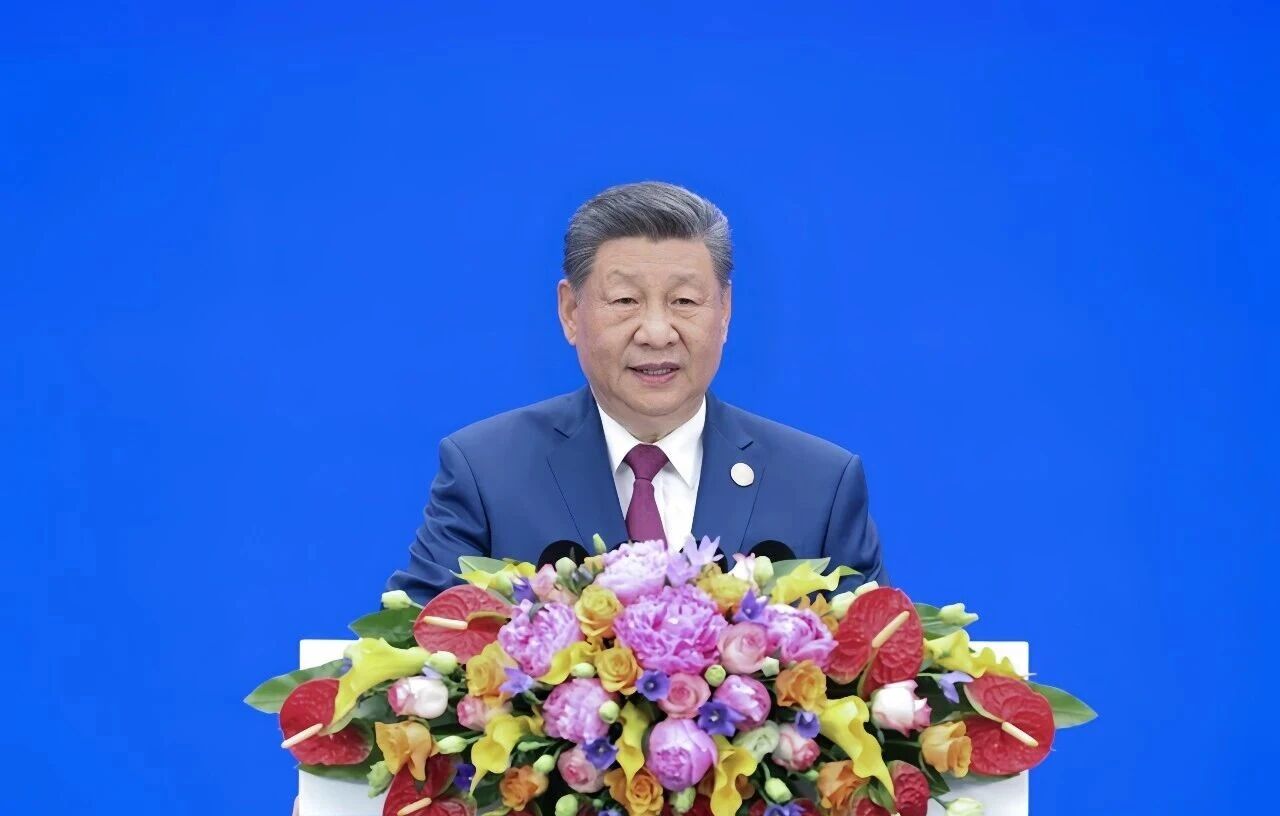
Seventy years ago, a group of young scholars proposed the concept of artificial intelligence (AI) for the first time at the Dartmouth Workshop in New Hampshire of the United States.
新华网 2026-07-19 09:51:40
收藏资讯

微信公众号

微信小程序
 登录
登录